Micro-Step Development: Why We Build Software in Tiny Increments
Our development methodology prioritizes small, testable changes with frequent check-ins. Here's why it leads to better software and happier clients.
Founder & Lead Developer at Metorox Software LLC — 10+ years of full-stack development experience building custom software, WordPress plugins, SaaS platforms, and digital marketing solutions for small businesses. Learn more about Ryan →
The Problem with Big-Bang Development
The traditional software development model goes something like this: client describes what they want, developer disappears for six weeks, client sees the result for the first time at the end. Sometimes it's exactly right. More often, something got lost in translation.
This "big-bang" approach has a fundamental problem: feedback comes too late. By the time the client sees the software, the developer has built an entire system around assumptions that may have been wrong from the start. Changing course at that point is expensive — both in time and in the relationship.
We built our micro-step methodology specifically to solve this problem. It's the same approach we use for every custom software project and WordPress plugin we build.
What Micro-Step Development Actually Means
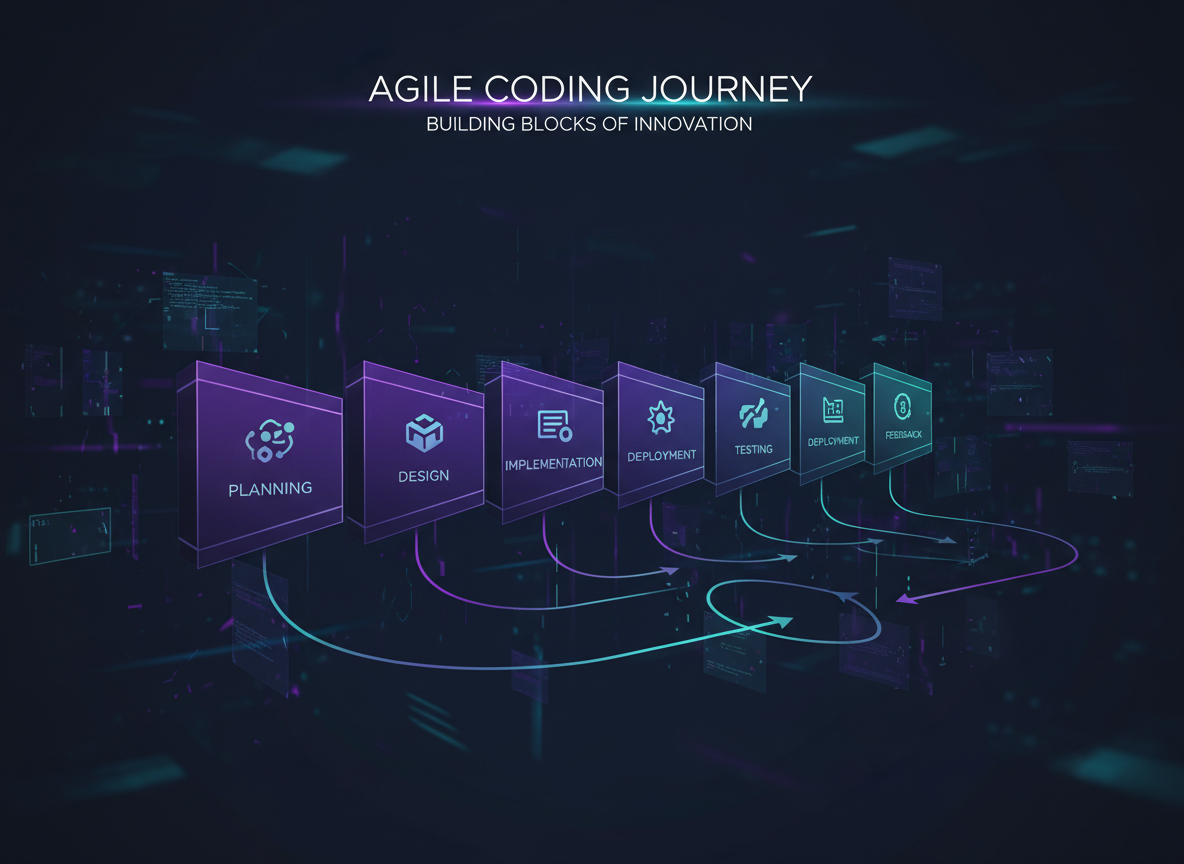
Micro-step development means building software in the smallest possible testable increments — typically 5 to 15 lines of code at a time — with validation at each step before moving forward.
In practice, this looks like:
- → Building one feature or component at a time, fully testing it before starting the next
- → Sharing working demos with the client at the end of each increment
- → Incorporating feedback immediately, before the next increment begins
- → Maintaining a backup before every significant change so rollbacks are instant
- → Writing tests alongside code, not as an afterthought
Why Small Steps Lead to Better Software
Bugs are caught immediately
When you change 10 lines of code and something breaks, you know exactly where the bug is. When you change 500 lines and something breaks, you have a debugging nightmare. Small changes mean small blast radius.
Requirements are clarified early
Clients often don't know exactly what they want until they see something working. Micro-steps give them something to react to early, when changes are cheap. A small adjustment in week one is infinitely easier than a major rework in week six.
Progress is always visible
There's no 'we're 80% done' black box. At any point in the project, there's a working version of the software that demonstrates real progress. This builds trust and keeps everyone aligned.
Scope creep is controlled
When every increment is defined and agreed upon before work begins, it's much easier to identify when a request falls outside the original scope. This protects both the client and the developer.
The Backup-Before-Every-Change Rule
One of the most underrated practices in software development is maintaining a complete backup before every significant code change. It sounds obvious, but most developers don't do it consistently.
Our policy: before any change that touches more than a few lines, we create a timestamped backup of the current working state. This means we can always roll back to a known-good version in minutes, not hours.
For client projects, this also means we can demonstrate the "before" state at any point — useful when a client wants to revisit a decision or compare approaches.
How This Affects Project Timelines
A common misconception is that micro-step development is slower than traditional development. In our experience, it's the opposite.
The time saved on debugging, rework, and miscommunication more than compensates for the additional structure. Projects that use micro-step development consistently come in on time and on budget. Projects that use big-bang development consistently don't.
The other factor is client satisfaction. When clients see regular progress and have opportunities to give feedback throughout, they're more confident in the process and less likely to request major changes at the end.
Applying This to Your Own Projects
Whether you're building software yourself or hiring a developer, you can apply micro-step principles to any project:
- → Break the project into the smallest possible deliverable units before starting
- → Require working demos at the end of each unit, not just status updates
- → Give feedback immediately — don't save it for a big review at the end
- → Insist on backups before any significant change
- → Define "done" for each increment before work begins
This methodology is why we can deliver custom software with fixed-price quotes and predictable timelines. See our About page for more on how we work.
Want to see micro-step development in action?
Book a free discovery call and we'll walk you through exactly how we'd approach your project.
Book a Free Call